
Choosing between 9ct, 14ct, or 18ct gold for engagement rings comes down to durability, colour richness, skin sensitivity, and how the engagement ring will wear over decades. The right choice depends on your lifestyle, your design, and the diamond you select. Stop guessing. Start saving. Get guided.
Most people obsess over the diamond and forget the precious metal holding it in place. That is a mistake. I have been creating bespoke jewellery for over 50 years, and I can tell you clearly that the gold you choose matters just as much as the diamond. When you meet with me, your Ringman Wingman, I guide you through every decision so you are not left trying to interpret confusing terminology or retail jewellery shop sales talk.
If you are planning an engagement and want a handcrafted ring that lasts a lifetime, here is what you need to know.
Understanding Carats: The Definitive Guide to Gold Purity
Gold carat refers to purity, not to be confused with diamond carat weight.
Pure gold is 24ct. It is beautiful, but too soft for everyday engagement rings and wedding rings. So we alloy it, meaning we mix it with other metals to create strength, adjust colour, and improve durability.
Here is how it breaks down in Australia:
| Carat | Gold Content | Alloy Content | What That Means |
| 9ct | 37.5% gold | 62.5% alloy | Strongest, most affordable |
| 14ct | 58.5% gold | 41.5% alloy | Balanced strength and richness |
| 18ct | 75% gold | 25% alloy | Rich colour, luxury standard |
The higher the gold content:
- The deeper the yellow gold or rose gold tone
- The softer the metal
- The greater the intrinsic precious metal value
More gold does not mean more durable. In fact, it is the opposite.
That is where professional guidance matters.
Understanding gold purity is only part of creating the perfect engagement ring or wedding ring, because the strength of the band must support the diamond you choose, whether that’s a classic solitaire, a refined halo, or a design inspired by your own vision rather than a pre-set collection of diamond rings.
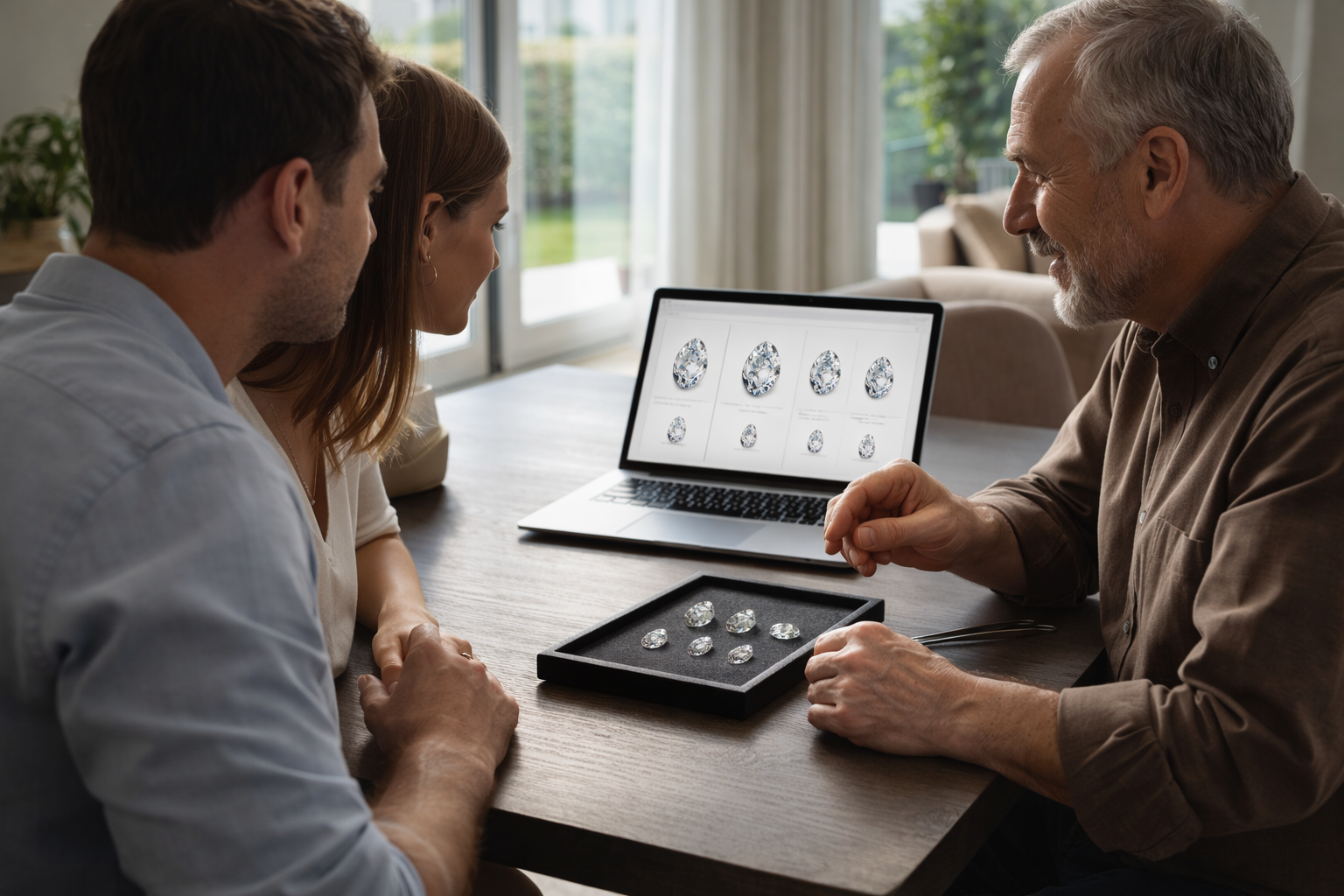
When you meet with me, I guide you through diamonds on my online diamond platform, natural and lab-grown, certified by GIA or IGI, helping you compare an oval, pear, emerald, or other cut diamond side by side on screen so you understand true value, not just appearance.
We’ll look at how the cut, setting, and band work together to protect your diamond and enhance its brilliance, ensuring your jewellery is both beautiful and practical for everyday wear. Every engagement ring and wedding ring is handcrafted to order, not pulled from a jewellery shop display, and completed in approximately four weeks.
With over 50 years of experience, I’m here to help you create an engagement ring or wedding ring that feels considered, personal, and worthy of becoming one of life’s most meaningful gifts.
9ct Gold: Maximum Durability and Practical Value
9ct gold contains the highest percentage of alloy, making it the hardest of the three common options.
If you work with your hands, go to the gym regularly, or simply want a lower entry price point, 9ct can make sense.
Advantages:
- Strong and resistant to bending
- More scratch-resistant
- Lower cost in AUD
- Suitable for low-profile solitaire, halo, or bezel ring settings
Considerations:
- Lighter tone in yellow or rose
- Lower gold content
- Alloy mix may matter if you have sensitive skin
For some modern engagement ring and wedding ring designs, such as cluster styles, hidden halo settings, or structured shoulder accents, 9ct performs well structurally. But if you are investing in a larger diamond engagement ring, many clients prefer 14ct or 18ct for long-term value and aesthetic richness.
When we meet, I will explain whether 9ct suits your specific design and lifestyle.
For some couples, 9ct is less about compromise and more about smart engineering. The higher alloy content gives the band added rigidity, which can be particularly useful in detailed engagement ring designs such as fine claws securing a natural or lab-grown diamond, a protective halo framing a centre stone, or intricate shoulder work supporting an oval, pear, or emerald cut diamond. When durability is a priority, especially in engagement rings and wedding rings worn daily, structural firmness matters.
If you are exploring natural or lab-grown diamond options, I will help you assess how the size and cut of your chosen diamond influence the overall design. A larger diamond may call for subtle adjustments in band width or setting style to maintain proportion and strength. Rather than selecting from a standard jewellery shop collection, we design the ring around your preferences, ensuring the engagement piece works seamlessly with a future wedding band and reflects how you actually live.
Every detail, from the balance of a solitaire setting to the way a halo enhances light performance, is considered within the broader jewellery design. The result is not just one of many engagement rings and wedding rings, but a carefully planned piece that honours the significance of your engagement and the gifts that mark life’s biggest milestones.
14ct Gold: The Professional’s Choice for Balanced Engagement Rings
14ct gold is often the sweet spot.
It offers a variety of benefits. It is close to the strength of 9ct, but with a richer gold content and deeper colour.
Across Brisbane, the Gold Coast, and the Sunshine Coast, where I offer in-person consultations, 14ct is increasingly popular for bespoke engagement rings and wedding rings. For clients elsewhere in Australia, we meet via Zoom and go through everything together.
Why I often recommend 14ct:
- Strong enough for daily wear
- Better colour depth than 9ct
- Less prone to scratching than 18ct
- Excellent for claw, halo, trilogy, and solitaire settings
- Balanced value and gold purity
If you are choosing an oval cut, emerald cut, pear cut, marquise cut, or elongated cushion diamond, 14ct provides strength for fine claws while maintaining warmth in the metal.
This is where many smart couples land, not because it is trendy, but because it makes sense.
For many couples, 14ct is the point where an engagement ring or wedding ring starts to feel effortless. It gives you a richer look than 9ct while staying sensible for everyday wear, which is why it pairs so well with popular styles like a solitaire or halo ring.
In my consultations, we focus on how the metal choice supports the overall jewellery design, especially when you are deciding between an oval, pear, or emerald centre diamond and considering how your wedding ring will sit beside it long-term.
Because I do not operate as a traditional jewellery shop with a ready-made collection of diamond engagement rings, wedding rings, and other pieces of jewellery, we build your ring around what you actually want. We can review engagement ring concepts together during your appointment, and if you are comparing a lab-grown diamond with a natural diamond, I can explain everything clearly.
The goal is simple: create engagement rings and wedding rings that look right, wear well, and feel like meaningful gifts because they were designed with intent, not picked from a display case inside a jewellery shop.
18ct Gold: The Luxury Standard for Brilliance and Purity
18ct gold contains 75 percent pure gold. The colour difference is noticeable, especially in yellow gold and rose gold.
If you love rich tones and timeless elegance, 18ct is the classic luxury choice.
Why clients choose 18ct:
- Deep, warm yellow tone
- Rich rose colour
- Higher intrinsic gold value
- Beautiful for classic and modern engagement ring designs
- Pairs exceptionally well with larger natural or lab-grown diamonds
Yes, it is slightly softer than 9ct or 14ct, but when properly handcrafted, it is absolutely suitable for daily wear.
Many of my clients love the way 18ct develops character over time. Gold is not meant to stay factory-perfect. It is meant to live your story.
18ct is often selected by clients who are drawn to tradition and want their engagement ring to carry a sense of substance as well as beauty. With a higher pure gold content, it delivers a noticeable richness that can enhance the presence of natural and lab-grown diamonds, particularly when you are choosing a refined oval or pear shape, or even pairing gold with an emerald centre for something distinctive. The warmth of 18ct can make a solitaire feel elevated without adding unnecessary design elements.
Rather than choosing from a standard jewellery shop collection, we shape the engagement ring around your priorities and the specific diamonds we review together, including lab-grown options where appropriate. The focus is on proportion, balance, and ensuring the engagement ring feels cohesive from every angle.
Over time, many clients appreciate how 18ct develops its own character, turning engagement rings into deeply personal gifts that reflect not just a moment, but a lifetime.
Durability vs. Gold Content: Choosing the Right Alloy for Daily Wear
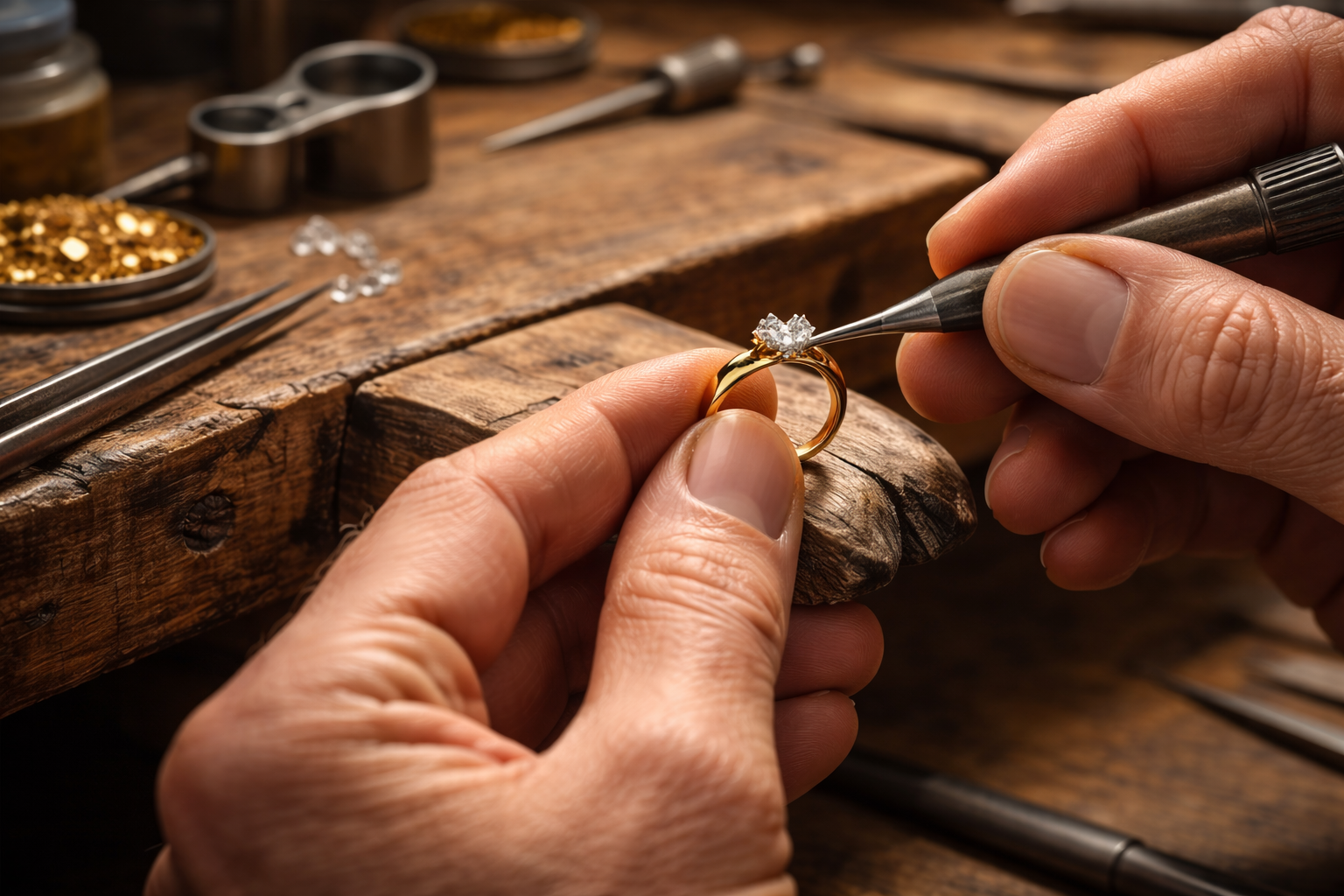
Here is what a retail shop rarely explains clearly.
Durability depends on more than just carat.
It depends on:
- Setting type, such as claw, bezel, halo, or solitaire
- Band thickness
- Stone size
- Ring size fit
- Your daily wear habits
- Craftsmanship quality
A poorly designed 9ct engagement ring can fail. A properly handcrafted 18ct engagement ring can last generations.
This is why I do not operate like a traditional jeweller with a shop and stock. There is no cabinet to choose from and no pre-made engagement rings, wedding rings, or other jewellery to try on.
You meet with me directly.
We design your engagement ring together.
Jewellery designs can be viewed during your consultation. I bring sample sizes and stone cuts, which are cubic zirconia for demonstration, and we look at certified natural and lab-grown diamonds together on my online diamond platform connected to trusted diamond dealers.
You will see IGI and GIA certified natural and lab-grown diamonds ranging from under 1ct to over 5ct if needed. I will show you three to five options in your budget and explain why one offers better value than another.
That platform alone saves clients between 15 and 20 percent compared to traditional retail shop sourcing.
Other sites sell you what they have. I help you choose the right diamond in the perfect setting for your budget.
Strength is engineered into an engagement ring long before it is ever worn. The way a halo is built around a centre, the precision of a solitaire setting, the proportions of an oval, pear, or emerald stone, and even how the engagement ring sits on your hand all influence long-term performance. An engagement ring is not simply chosen from a shop collection and resized. It is planned carefully so that design and durability work together from the beginning.
When we sit down together, we look at how different lab-grown and natural diamond options behave within various setting styles, and how subtle structural adjustments can improve longevity without compromising beauty.
The goal is not just to create a visually striking engagement ring, but to ensure the engagement ring functions exactly as it should for everyday life. Thoughtfully designed engagement rings become lasting gifts, not because of a label or marketing claim, but because every decision behind the engagement ring was made with intention.
Hypoallergenic Gold: Why Higher Carat Alloys Suit Sensitive Skin
If you have sensitive skin, alloy composition matters.
Because 9ct contains a collection of mixed metals, it may include higher percentages of certain alloys depending on the formulation. Some people react to these.
14ct reduces alloy content.
18ct reduces it further.
White gold often requires rhodium plating to maintain its bright white finish, and that plating can wear over time.
If skin sensitivity is a concern, we discuss it early. There are nickel-free options available, and platinum may be worth considering.
You should not have to guess about this.
If skin sensitivity is part of your engagement ring decision, the metal needs the same attention as the stone. Lower carat alloys can contain a broader collection of mixed metals, which is why some people notice irritation over time, while higher carat options reduce that alloy load.
In our consultation, we factor this in from the start so your engagement ring feels comfortable day after day, whether you are planning a simple solitaire or a more intricate design.
Because I am not a traditional shop, I am not steering you toward a collection of engagement rings, wedding rings, or other pieces of jewellery sitting in a cabinet. We design your engagement ring around you, then align the metal choice with the diamond you choose, including lab-grown options, and the way you intend to wear it.
If you are leaning toward a pear centre, we also consider how the setting and overall ring profile affect contact points on the skin. The aim is to remove guesswork and make sure your engagement ring is one of those gifts that you love wearing, not something you have to tolerate.
My 3-Step Process for Choosing the Right Gold
Here is exactly how I guide clients through it.
- Lifestyle First
We talk about how you live, work and wear your engagement ring. - Design and Stone Compatibility
Certain settings, such as halo, hidden halo, trilogy, cluster, or classic solitaire, perform differently in different alloys. We also compare natural and lab-grown diamonds. - Long-Term Vision
Is this part of a bridal suite? Will you add a wedding band or an anniversary eternity ring later?
This removes overwhelm and replaces it with clarity. Instead of walking into a shop and trying to interpret a generic collection, you are guided step by step through decisions tailored to your engagement ring and long-term plans.
We determine whether a solitaire or halo design best suits your lifestyle, how each setting performs in your chosen alloy, and how your natural or lab-grown diamond will sit securely and proportionately within the ring.
By the end of the process, you are not second-guessing metal choice, setting structure, or future compatibility with a wedding band. You understand why a halo may offer additional protection, why a solitaire may highlight the diamond more cleanly, and how your lab-grown or natural diamond influences the overall engineering of the ring.
This is about replacing confusion with informed direction, so your engagement ring decision feels deliberate rather than something selected quickly from a jewellery shop display.
Where We Meet
I operate a we come to you jeweller model.
In-person consultations are available in:
- Brisbane
- Gold Coast
- Sunshine Coast
For anywhere else in Australia, including Sydney, Melbourne, or Perth, we meet via Zoom.
There is no retail shop, showroom, or stock range. Everything is custom and handcrafted from scratch.
Bespoke engagement rings take approximately four weeks once your design is finalised.
If you are planning a surprise proposal, I will help you keep the secret a secret.
If you are unsure of ring size, I can send our free Multisizer so sizing can be done discreetly at home.
Consultations are arranged around you, not around shop hours. If you are based in Brisbane, the Gold Coast, or the Sunshine Coast, we can meet in person in a private setting. If you are elsewhere in Australia, we connect via Zoom and move through the same structured process together.
There is no retail shop environment and no browsing of finished pieces. Every engagement ring is developed individually and then handcrafted once the design is approved, with completion typically taking around four weeks.
Whether you are considering a timeless solitaire or exploring lab-grown alongside natural diamonds, the focus remains on clarity, guidance, and creating a ring with intention rather than selecting something pre-made.
The Final Verdict: Which Gold Carat is Best for Your Engagement Ring?
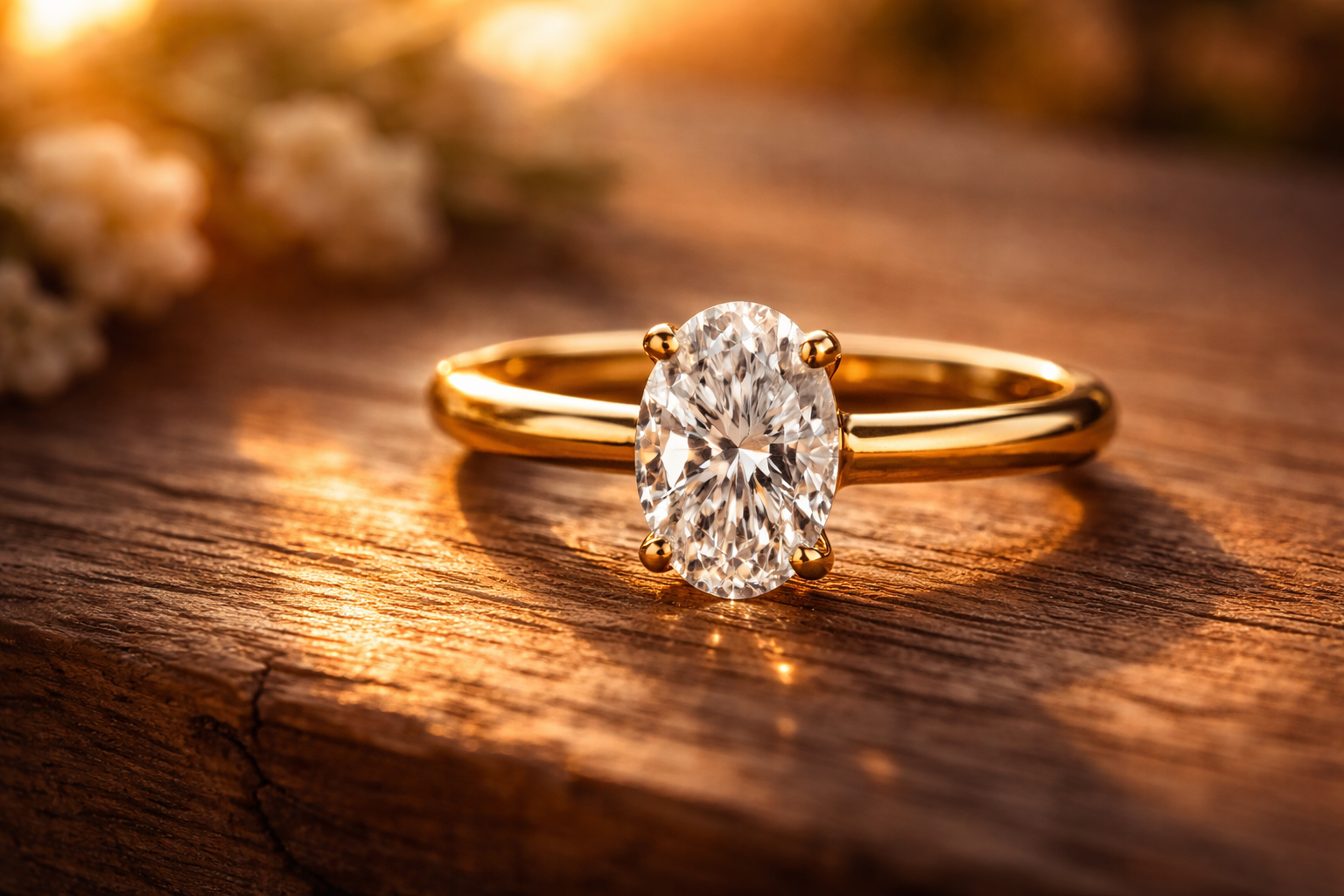
There is no universal best.
There is only what is right for you.
- Choose 9ct for maximum durability and lower entry cost.
- Choose 14ct for balanced strength and richness.
- Choose 18ct for luxury colour and higher gold content.
Most importantly, choose with guidance.
You are not just buying a ring. You are creating a piece that represents your love story, your shared memories, your engagement, your future wedding, and everything that follows.
In the unlikely event of a manufacturing fault, I stand by my craftsmanship and will ensure it is put right. That is my promise.
If you would like clarity instead of confusion, book a free consultation and let me show you how to get the best value.
No pushy sales.
No retail markup games.
Just honest guidance from someone who has been doing this for over 50 years.
Your Ringman Wingman is ready when you are.
0 Comments