
Lab grown and natural diamonds are both real diamond options for a diamond engagement ring, but they differ in origin, rarity, environmental impact, cost, and long-term value. Don’t buy an engagement ring until you see this — you’re not imagining it, the process is confusing, retail shop jewellers are overwhelming, and it’s far too easy to choose the wrong stone for your engagement ring. If you want expert guidance without pressure, if you want a perfect diamond engagement ring with genuine meaning, and if you want better value than retail shop jewellers offer, this guide is for you.
At Burgundy Bespoke Jewellers, I work with customers across Australia who are selecting new engagement rings, wedding bands, wedding rings, earrings, pendants, bracelets, bangles, tennis bracelet styles, and custom gifts. Most customers shop online, browse jewellery collections, compare diamonds, read every guide they can find, and still feel uncertain. This article is written to give you clarity, confidence, and a transparent, expert-led comparison between lab-grown diamonds and natural diamonds so you can choose the best stone for your life, your love, and your commitment.
The Real Difference: How Lab Grown and Natural Diamonds Are Truly Created
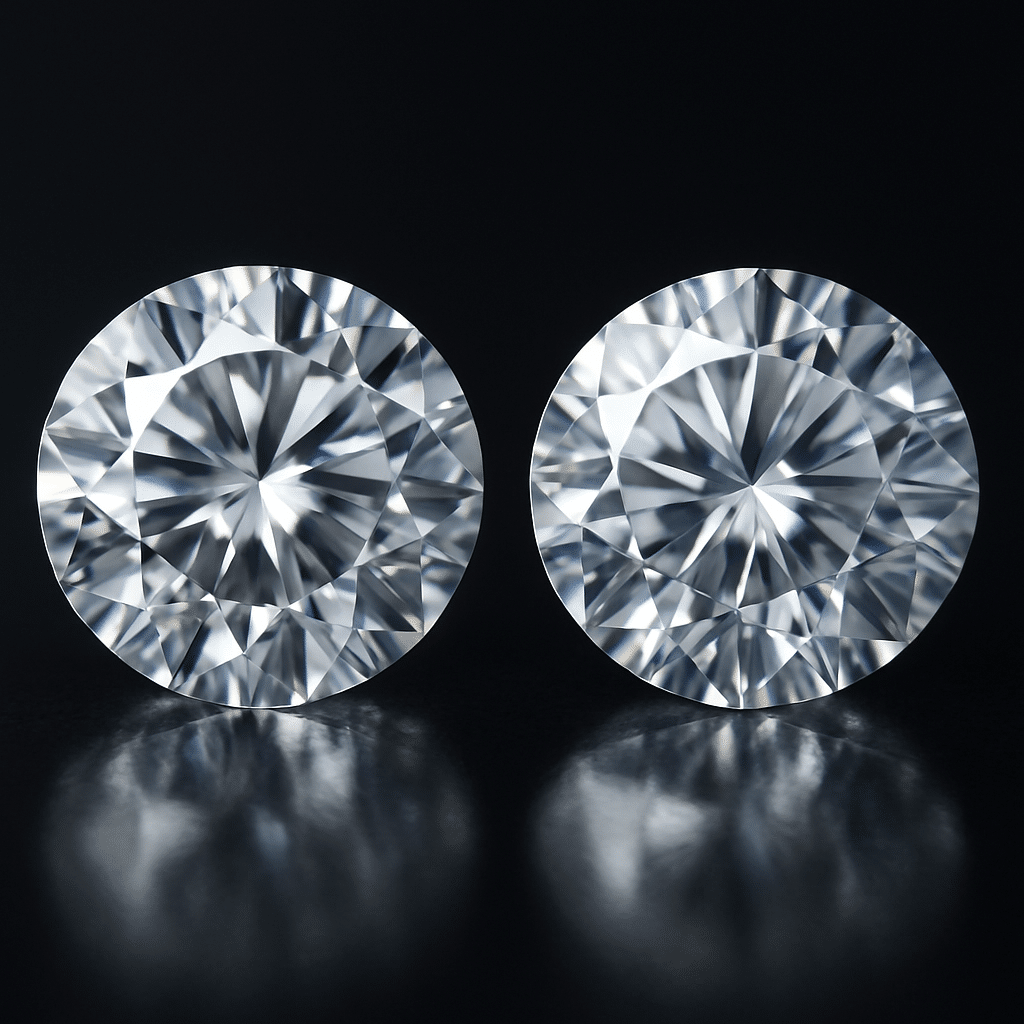
A natural diamond is formed when carbon atoms crystallise deep inside the Earth’s mantle under enormous pressure and temperature. These conditions take millions to billions of years, creating mined stones that are later cut, polished, and set into jewellery, from rings to bracelets. This origin is what gives natural diamonds their incredible rarity, geological history, and cultural significance.
Lab grown diamonds, also called man made diamonds or lab created diamonds, are grown in a laboratory using advanced scientific methods. The two most common production techniques are high-pressure high-temperature (HPHT) and chemical vapour deposition (CVD). These methods replicate the same environment that a diamond experiences in nature, using carbon, pressure, and heat to create a stone that is chemically identical to a natural diamond.
These lab-grown diamonds are real, not imitation. They share the same chemical structure, physical properties, durability, brilliance, clarity potential, and light reflection as a natural diamond. They can be cut into every popular diamond shape, including round, emerald, cushion, pear, oval, heart, radiant, and marquise shapes. They are used in the same product types, such as engagement rings, wedding jewellery, necklaces, bracelets, earrings, stud settings, pendant designs, halo rings, claw settings, and solitaire options in white, yellow, and rose gold.
The difference is not what you see. The difference is the origin story. Today’s consumers can choose between natural diamonds and lab-grown diamonds when they shop for meaningful designs for engagement or wedding moments, whether purchasing new rings, elegant gold bands, or timeless diamond settings. Both options can be used to create unforgettable gift pieces and treasured gifts for life’s most important celebrations. As you explore your next jewellery purchase — from engagement rings to wedding bands and diamond earrings — take the time to shop with confidence, knowing that lab-grown diamonds offer a modern alternative while natural diamonds preserve their ancient legacy, each bringing beauty, meaning, and brilliance to every ring, every gold setting, every gift, and every unforgettable occasion.
Price vs Perception: What You’re Really Paying For — And Why It Matters for an Engagement Ring
Retail pricing is one of the most misunderstood parts of the diamond world. Retail markups can reach up to 300 percent depending on the shop, the brand, and the location. That means your new engagement ring could be available elsewhere for less than half — without sacrificing quality, brilliance, or certification.
Your cost is influenced by several core factors:
- Origin of the stone (natural or lab-grown)
- Carat size and visual presence
- Diamond shape and cut quality
- Colour grade and clarity rating
- Rarity and market demand
- Whether it is certified by institutions such as GIA or IGI
- Whether you shop through a retail store or a bespoke jeweller
- Country of sourcing and production chain
- Craftsmanship and setting style
Lab-grown diamonds offer a cost-effective and highly affordable alternative. Because they are created in controlled laboratory environments instead of mined, they can be produced with more efficiency. This allows customers to select a larger stone, a higher clarity, or a more brilliant cut while staying within a realistic budget.
Natural diamonds, on the other hand, are valued for their rarity, geographic origin, and cultural history. Many people prefer their authentic connection to the earth and choose them as heirloom stones for weddings, gifts, and family jewellery.
This is not about one being better in all cases. It is about choosing what best aligns with your values, your story, and your definition of meaning.
Heirloom or Commodity? The Long-Term Reality of Value, Rarity and Resale
Natural diamonds are finite. There is a limited number left on the earth, and that scarcity gives them long-term rarity. Certain types, such as vivid yellow, rare pink, or exceptionally clear stones, may hold or increase in value depending on global demand, size, and market conditions.
Lab grown diamonds are increasing in production as technology improves. This means availability is expanding, and over time, their resale value may decline as supply grows. Lab-grown diamonds are not created to be an investment; rather, they are designed to offer a new, accessible and sustainable way to own a beautiful and high quality diamond.
Most buyers are not thinking about resale. They are thinking about love, commitment, the moment of a proposal, and the future they will build together. In that context, the diamond becomes a symbol rather than a commodity.
Rarity can be defined by origin, but meaning is defined by humans — and in every true gift, from gold heirlooms shaped by time to modern lab-grown brilliance, the greatest value of all gifts is found in the love behind them and the moment someone chooses to shop for a story that will last forever.
The Ethical Question: Sustainability, Mining, and the Truth Behind “Eco-Friendly”
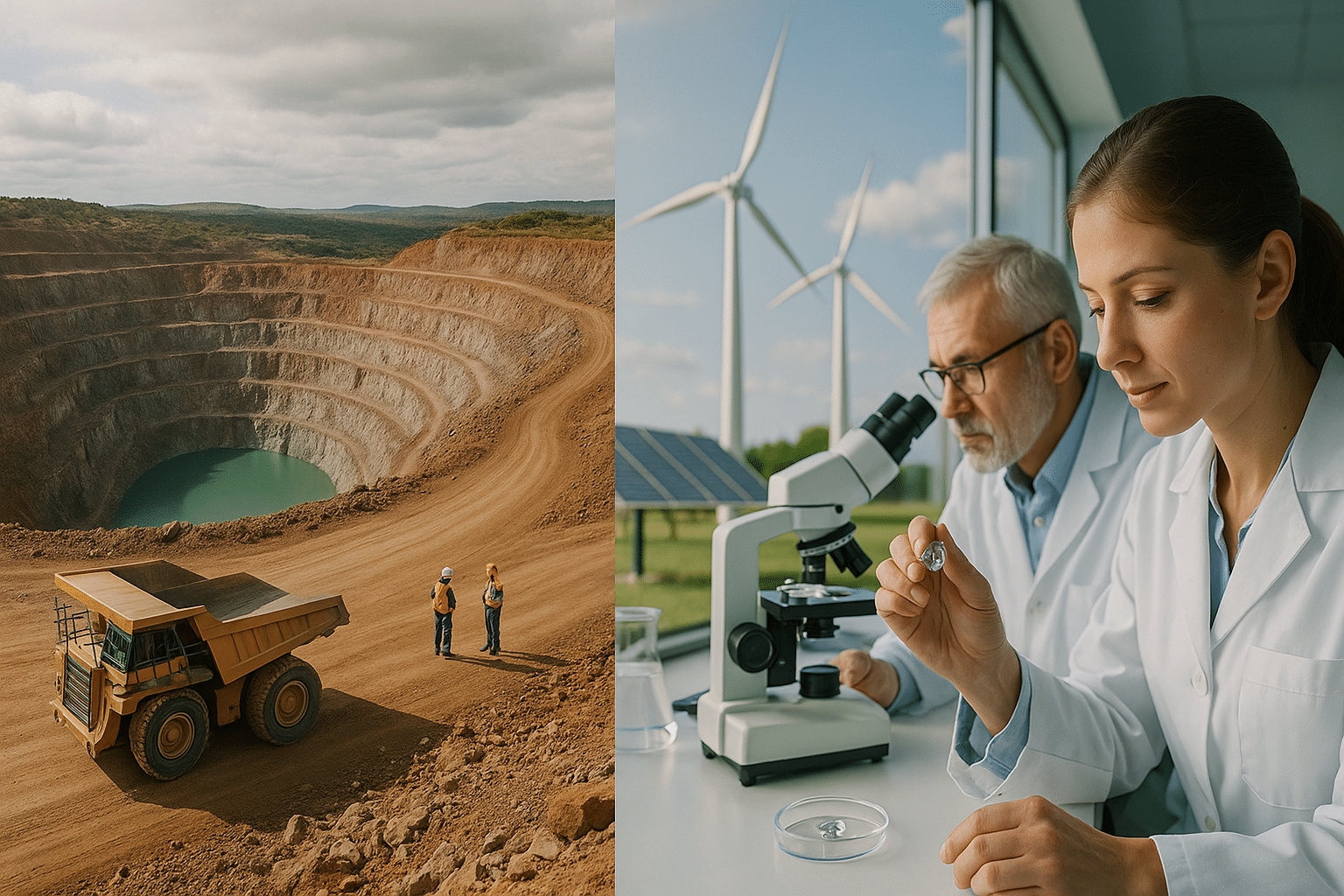
Environmental impact and sustainability have become central questions for modern jewellery buyers in Australia and around the world. Mining can create environmental disturbance, land disruption, and resource use. That is why many customers view lab-grown diamonds as a more sustainable and ethical alternative.
Lab grown diamonds are produced without traditional mining and can reduce the environmental footprint of diamond production when responsibly managed. However, they still require enormous energy input due to the combination of intense temperature and pressure used during creation.
Natural diamonds, when ethically sourced, support entire communities, create employment, and may be produced under strict environmental and labour regulations. Many suppliers now follow transparent ethical sourcing policies to minimise impact and maintain accountability.
Ethical practice is not determined by “lab-grown” or “natural” alone. It is determined by transparency, certification, sourcing practices, and your jeweller’s values.
Identical to the Eye — But Not to the Story: The 4 C’s, Brilliance & Durability Explained
Whether a diamond is mined or lab-grown, the 4 C’s apply in the same way: cut, colour, clarity, and carat. Both types of diamonds reach a hardness of 10 on the Mohs scale, giving them excellent durability for everyday wear in rings, engagement jewellery, wedding bands, earrings, bracelets, pendants, and other pieces.
When properly cut, both natural and lab-grown diamonds reflect light beautifully, producing identical brilliance and fire. Under normal viewing conditions, even an expert cannot distinguish natural and lab-grown diamonds by eye alone.
The difference is not visual. It is emotional. It is ethical. It is philosophical. One is born of the earth. One is created by science.
Both are genuine. Both are exceptional.
Can Experts Tell the Difference? How Professionals Identify Lab Grown vs Natural Diamonds
Without advanced tools, even the most experienced jeweller cannot identify whether a stone is lab-grown or natural. To do so, gemological experts use specialised equipment and testing methods that analyse crystal growth patterns and chemical markers.
A professional may look for:
- Crystal growth patterns that are unique to HPHT or CVD production
- Chemical traces or metallic inclusions linked to laboratory methods
- Internal structural differences under advanced magnification
- Specific reactions under ultraviolet or specialised light
- Certified reports from a recognised institute such as GIA or IGI
This is why certification is essential. A certified stone verifies whether a diamond is natural or lab grown and provides full transparency for future reference, resale, insurance, or appraisal.
The Most Important Question: Which Diamond Choice Best Reflects Your Love, Legacy & Lifestyle?
This is where your decision becomes personal. Below is a clear, comprehensive comparison to help guide your choice.
Natural Diamonds – Key Advantages
- Formed naturally through extreme pressure, heat, and time
- Rare and finite, offering strong emotional and historical significance
- Often higher resale value due to limited supply
- Deep cultural connection to tradition, legacy, and commitment
- Recognised globally as classic and prestigious
- Highly suited for heirloom jewellery and generational gifts
- Ideal for rare colours such as vivid yellow or natural pink
- Favoured by traditional buyers and collectors
- Often perceived as the ultimate symbol of love
- Strong emotional affinity for those who value geological origin
- Seen as the “one” true stone by many romantics
- Durable for daily wear and lifetime use
- Suitable for engagement rings, wedding bands, pendants, and gifts
Lab Grown Diamonds – Key Advantages
- Grown in a laboratory through HPHT or CVD methods
- Chemically identical to natural diamonds in every way
- More affordable and cost-effective for larger-sized stones
- Reduced environmental impact compared with traditional mining
- Increasingly popular alternative in modern jewellery culture
- Ideal for budget-conscious buyers without compromising on beauty
- Available in multiple shapes, sizes, and brilliant cuts
- Excellent clarity and colour are achievable through controlled production
- Perfect for couples focused on sustainability and ethics
- Allows greater flexibility in design, size, and style
- Works beautifully in engagement, wedding, and everyday rings
- Common choice in stud earrings, bracelets, halo designs, and tennis styles
- A practical and responsible option for modern couples
Neither option is inherently better. The best choice is the one that aligns with your values, your priorities, and the love you are celebrating — because every meaningful gift, whether set in gold or shaped by modern innovation, becomes priceless when you shop with intention and choose a symbol that reflects your heart.
3 Step Process: How To Choose Your Perfect Diamond
Step 1: Decide what matters most to you — rarity, size, sustainability, or tradition
Step 2: Compare natural and lab grown options with an expert you trust
Step 3: Select the stone that reflects your story, budget, and commitment
This process removes confusion and gives you total confidence in your decision, allowing you to shop with clarity and intention, knowing the final choice will become a meaningful gift, beautifully framed in gold and carrying a story that will last a lifetime.
A Ring That Reflects Your Life, Love & Confidence
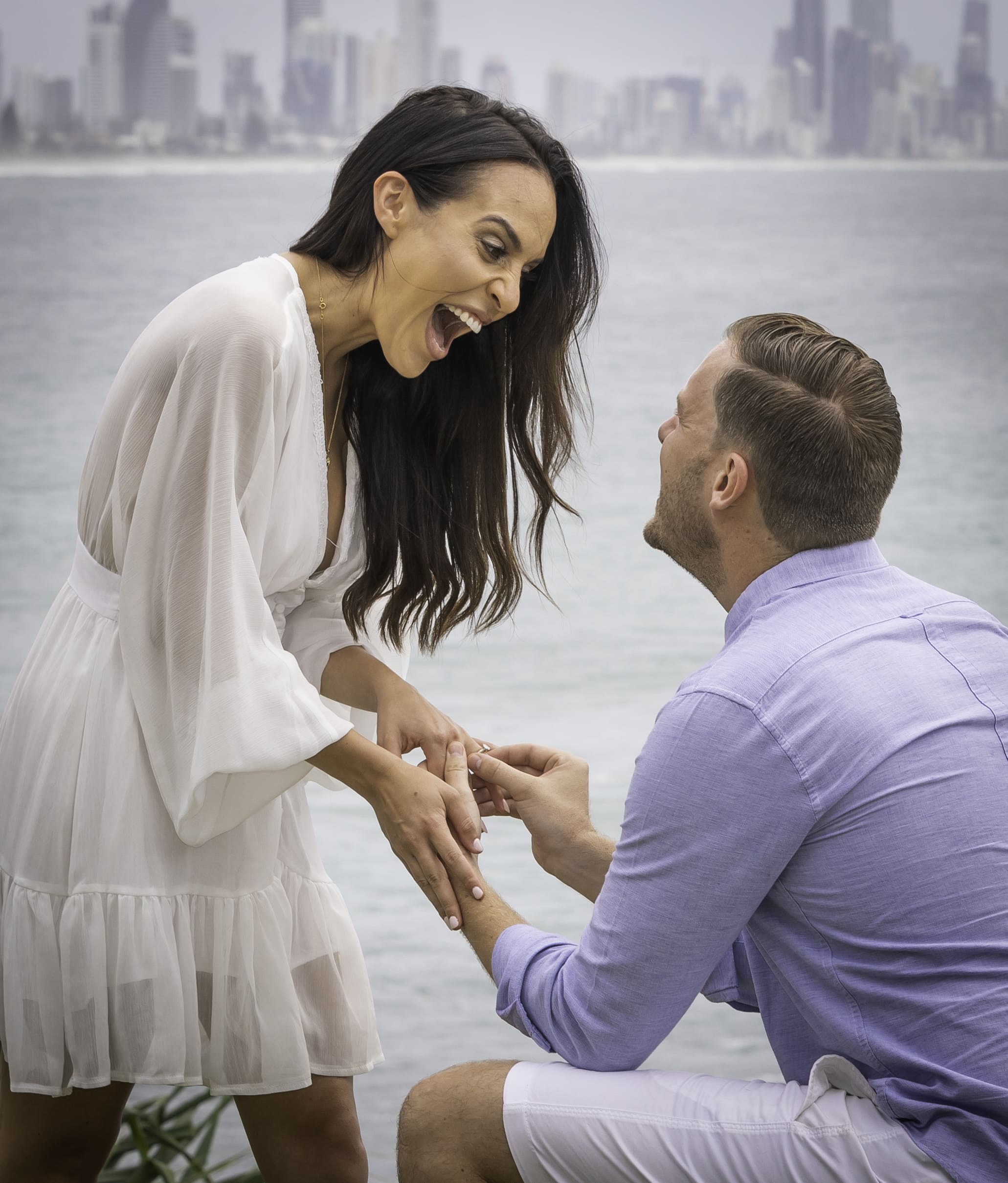
Your diamond is not just a product in a cart. It is a symbol of a moment, a promise, a leap into the future, and a lifetime commitment. Whether you select a natural stone rich in history or a lab-grown alternative born of science and sustainability, the most important thing is that it is chosen with clarity, intention, and expert guidance.
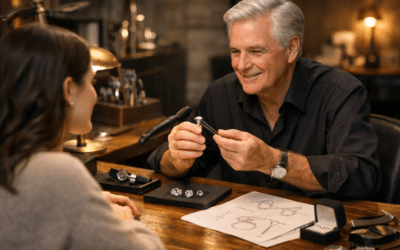
At Burgundy Bespoke Jewellers in Brisbane, I provide private, stress-free consultations — in person or via Zoom (depending on your location) — where you can view, compare, and select your diamond with confidence and transparency. I specialise in bespoke designs, exceptional craftsmanship, ethical sourcing, privacy, and one-on-one expert care.
If this guide helped you, share it with someone starting their journey, or book your complimentary appointment today and begin creating a ring that tells your story.
Your perfect diamond already exists. Let’s discover it together. Reach out today and get help from master jeweller Michael Dransfield, your “Ringman Wingman.”

0 Comments