
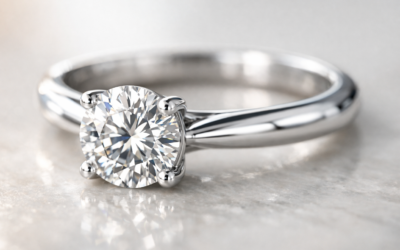
Diamond cut matters most because it controls how light enters, moves through, and exits a diamond, directly determining sparkle, brilliance, fire, and how impressive the diamond looks on the hand, whether it’s an engagement ring or a wedding ring.
Don’t buy a diamond engagement ring or wedding ring until you see this. Most couples are told to focus on carat, colour, or clarity, yet the single decision that separates a breathtaking diamond engagement ring or wedding ring from a disappointing one is cut. If you feel unsure or overwhelmed by diamond terminology and conflicting advice, you are not imagining it. Choosing the right diamond should not feel like guessing. With proper guidance, it becomes clear, calm, and cost-effective.
At Burgundy Bespoke Jewellers, my role is simple: stop the guesswork, help you save, and guide you to the best possible outcome for your budget. You work directly with me, Michael Dransfield, and together we focus on the one diamond factor that makes every other decision easier: cut.
When you work with me, Michael Dransfield, you’re not stepping into a traditional jewellery shop or choosing from pre-made diamond engagement rings and wedding rings – you’re getting one-on-one guidance from a master jeweller who helps you stop guessing and start choosing with confidence. Together, we use my online diamond platform to review certified natural and lab grown diamonds side by side, focusing on cut, grading, and how each diamond handles light, so you understand exactly why one offers more brilliant beauty than another.
Whether you’re considering a round shape, an elegant emerald cut, or comparing different diamond cuts, I’ll explain how facets and proportions affect presence on the hand in both engagement ring and wedding ring designs. Every piece of jewellery is fully customer-led and handcrafted to your design, with certification from IGI or GIA, and a clear, calm guide through every decision – including keeping the proposal a secret if needed. The result isn’t just beautiful jewellery, it’s the right diamond in the perfect ring, chosen intelligently, designed personally, and made with care from start to finish.
Why Cut Determines Everything – And Why It Matters More Than Colour or Clarity
Cut refers to how a diamond has been proportioned and finished from rough diamonds, not its outline or shape. Diamond shape describes form, such as round shape, oval shape, pear shape, emerald, cushion, princess, marquise, heart, asscher, briolette, or other fancy shapes. Cut grading evaluates precision.
When we talk about cut, we are assessing:
- Proportions, including table and depth
- Facet placement, symmetry, and polish
- Girdle thickness and balance
- Overall light performance
You can choose a high colour, high clarity stone and still end up with a lifeless diamond if the cut is poor. A well-cut diamond with slightly lower colour or clarity will almost always look brighter, whiter, and more valuable. This is why cut is the foundation of quality in engagement rings, wedding rings, and bespoke jewellery.
Colour and clarity describe internal characteristics. Cut determines what your eye sees every single day.
In simple terms, cut is the difference between diamonds that merely meet technical grading standards and those that look unmistakably brilliant in real life. When couples come to me for an engagement, they’re often surprised to learn that a well-cut stone will outperform higher colour or clarity options every time, especially in classic round designs or refined emerald styles.
My role is to be your personal guide, helping you understand how cut quality translates into visible beauty across different rings, not just numbers on a report. We review certified diamonds through my online platform rather than a traditional jewellery shop, so you can clearly see how precision affects sparkle, balance, and presence in bespoke jewellery.
Whether you’re creating an engagement ring or wedding band, this approach ensures your jewellery choice is based on how the diamond actually performs, giving you confidence that the ring you design is visually superior, intelligently chosen, and made to last.
What Makes a Diamond Truly Sparkle: Brilliance, Fire, and Living Movement
Diamonds feature three optical properties that define visual beauty.
Brilliance is the return of white light to the eye.
Fire is the dispersion of light into flashes of colour.
Scintillation is the pattern of light and dark as the stone moves.
These effects are created entirely by how facets are cut, angled, and aligned. Brilliant diamonds are designed to maximise light return using a precise arrangement of facets. A classic brilliant cut diamond uses 58 facets to balance brightness, fire, and contrast.
Modified brilliant cuts adapt this structure for non-round diamond shapes such as oval, pear, cushion, and marquise. Step cut diamonds, including emerald cuts and asscher cuts, use rectangular facets arranged in steps, producing a refined, architectural look that highlights clarity over intense sparkle. Rose cuts create a soft, subtle glow rather than sharp brilliance.
Each style is valid. Performance depends on execution.
When you look at how sparkle is truly created, it becomes clear that not all diamonds are equal, even when they share similar grading on paper. The way different cuts manage light is what gives a stone its character – whether that’s lively energy in a round diamond or the calm, mirror-like depth of an emerald cut.
For an engagement or wedding piece, this distinction matters because the diamond isn’t viewed once under perfect lighting; it’s worn daily in real conditions. Rather than relying on a traditional jewellery shop experience, I act as your personal guide, helping you understand how various cuts translate into real performance once set into bespoke rings and custom jewellery.
The goal isn’t to chase trends or numbers, but to choose diamonds whose light behaviour suits your design, lifestyle, and taste. That’s how thoughtfully selected jewellery becomes something that feels right every time you look at your hand – subtle, intentional, and built around how the diamond actually lives and moves.
How Diamond Proportions Decide Whether Light Is Returned or Lost Forever
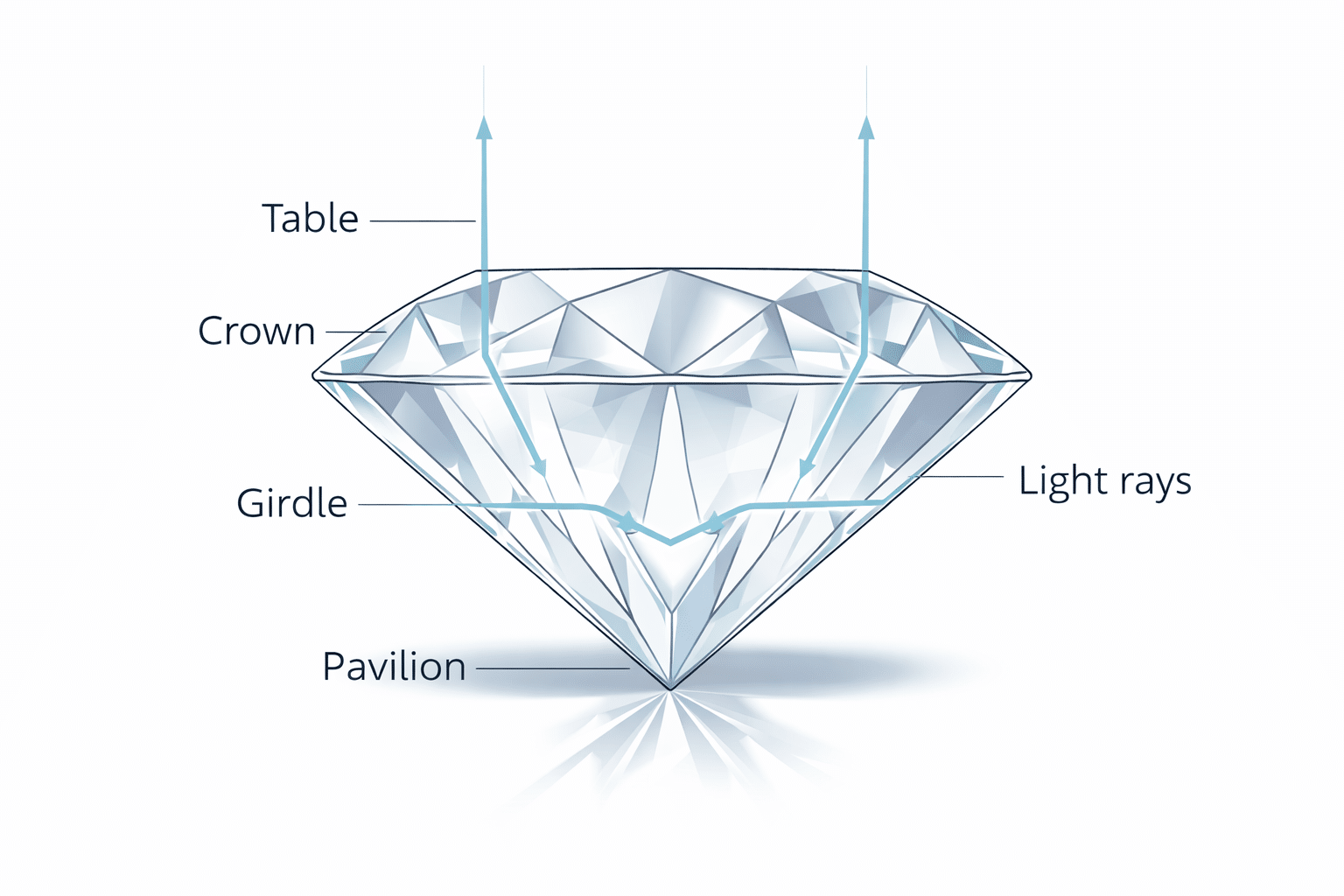
Light enters a diamond through the table, reflects internally off shaped facets, and exits back through the crown. If proportions are incorrect, light leaks out of the pavilion or sides and cannot return to the eye.
The most important proportion elements of diamonds include:
- Table percentage
- Depth percentage
- Crown angle
- Pavilion angle
- Girdle thickness
When these fall outside optimal ranges, brilliance and fire suffer. This is why two diamonds with identical certification can look dramatically different. Cut grading works within ranges, not absolutes.
Well-proportioned diamonds return light efficiently. Poorly proportioned diamonds lose it forever.
When you understand how proportions truly work, it becomes clear why some diamonds look flat while others appear effortlessly brilliant, even before they’re set. For engagement rings and wedding rings, this matters more than most people realise, because a diamond only shines when its proportions return light instead of letting it escape.
A round diamond with balanced angles will behave very differently from an emerald cut stone, and neither can be judged properly without looking beyond surface grading. My role is to act as your experienced guide, helping you interpret how these proportions translate into real beauty once the diamond is worn in finished rings.
This isn’t a traditional jewellery shop experience – it’s a considered process where jewellery is designed around performance, not assumptions. The result is jewellery that feels intentional and confident, with diamonds chosen for how they truly handle light, not just how they read on a certificate.
Deep vs. Shallow Cuts: The Hidden Weight Trap That Destroys Sparkle
One of the most common problems I see is excess weight hidden where it cannot be seen.
A deep-cut diamond hides its carat weight below the girdle. It looks smaller than expected and often appears dark through the centre. A shallow cut diamond allows light to escape through the pavilion, resulting in a flat or glassy appearance with weak sparkle.
Both stones may still achieve good or excellent cut grading on paper. Neither performs well in real life. This is where buyers often overpay without realising it.
Visible beauty matters more than scale weight.
This is why grading should never be taken at face value. A diamond can meet acceptable ranges on paper and still disappoint once it’s set into finished rings, especially when excess depth or shallow proportions reduce visible sparkle.
In a typical jewellery shop, this hidden weight often goes unnoticed, leading buyers to overpay for a size they’ll never see. Thoughtful jewellery design focuses on what appears above the girdle, not what’s buried below it, so the finished jewellery looks balanced, bright, and proportionate on the hand.
Why an Exceptional Cut Makes a Diamond Look Bigger, Brighter, and More Expensive
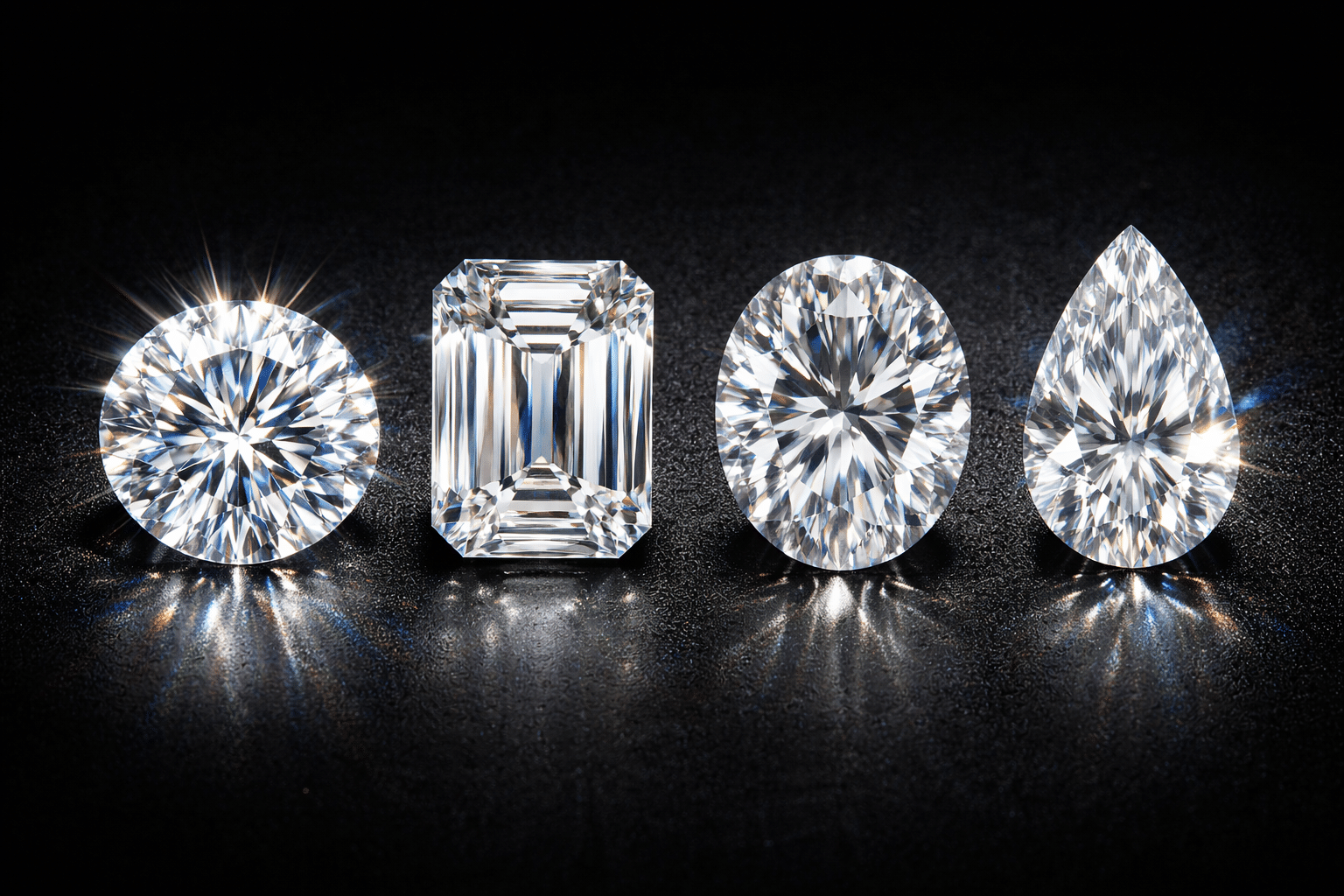
An exceptional cut improves how large a diamond appears and how strongly it interacts with light. When proportions are balanced, more of the diamond’s weight contributes to face-up size rather than depth.
An exceptional cut:
- Enhances brilliance and fire
- Improves apparent size
- Makes colour appear whiter
- Elevates the entire ring design
A well-cut stone will often outperform a larger diamond with inferior proportions. This applies to both natural diamonds and lab grown diamonds. Origin does not change physics. Cut always wins.
This is where grading stops being theoretical and becomes visible. A well-balanced round diamond uses its weight efficiently, so engagement rings and wedding rings look larger and brighter without relying on extra depth.
In a typical jewellery shop, this advantage is easy to miss, yet it has a major impact on how finished jewellery appears on the hand. Prioritising cut ensures your jewellery feels refined, confident, and visually generous rather than heavy on paper and underwhelming in real life.
The Proportion Sweet Spot: Where Table and Depth Create Maximum Beauty
Every diamond shape has a proportion sweet spot where beauty peaks. For round brilliant diamonds, this occurs when table and depth work together with excellent symmetry and polish to maximise light return.
Fancy-shaped diamonds, such as oval, pear, cushion, emerald, and princess, do not have a single universal ideal. Modified brilliant cuts behave differently from step cuts, and small proportion changes can significantly affect appearance.
This is why choosing a diamond requires interpretation, not just numbers. Certification is essential, but it does not replace expert evaluation.
Every shape has a narrow window where it performs at its best, and hitting that balance matters more than chasing numbers. In a traditional shop, this nuance is often missed, even though it directly affects how engagement rings and wedding rings appear once worn.
Understanding these subtleties ensures the finished jewellery looks harmonious and refined, rather than technically correct but visually flat.
Why Certification Isn’t Enough – And Why Two Excellent Cuts Rarely Look Equal
Laboratory reports from IGI and GIA provide important information about cut grading, proportions, polish, and symmetry. They are a starting point, not a decision maker.
Two diamonds with excellent cut grading can differ in:
- Light performance
- Contrast pattern
- Scintillation behaviour
- Visual size and balance
This is why, during your consultation, we review natural and lab grown diamonds on my online diamond platform, which connects directly to diamond dealers. I guide you through three to five carefully selected options within your budget, explaining why one represents better value than another. This approach typically saves clients 15 to 20 percent compared to traditional retail shop pricing, without sacrificing quality.
We are not pulling stones from a display case at a jewellery shop. We are analysing certified diamonds digitally, supported by physical sample cuts and sizes for reference, ensuring clarity without confusion.
A Simple 3 Step Diamond Cut Selection Process
Step one: prioritise cut quality before carat, colour, or clarity.
Step two: compare light performance rather than relying solely on reports.
Step three: match cut style to your design, lifestyle, and proposal plans.
This approach turns diamond selection into a clear, logical decision rather than an emotional one. Instead of relying on what a shop presents, you understand how to assess cut and grading in a meaningful way. As a result, engagement rings and wedding rings are chosen with purpose and confidence, ensuring the final piece looks considered, balanced, and right for everyday wear.
Why Cut Matters When You Are Designing a Bespoke Ring
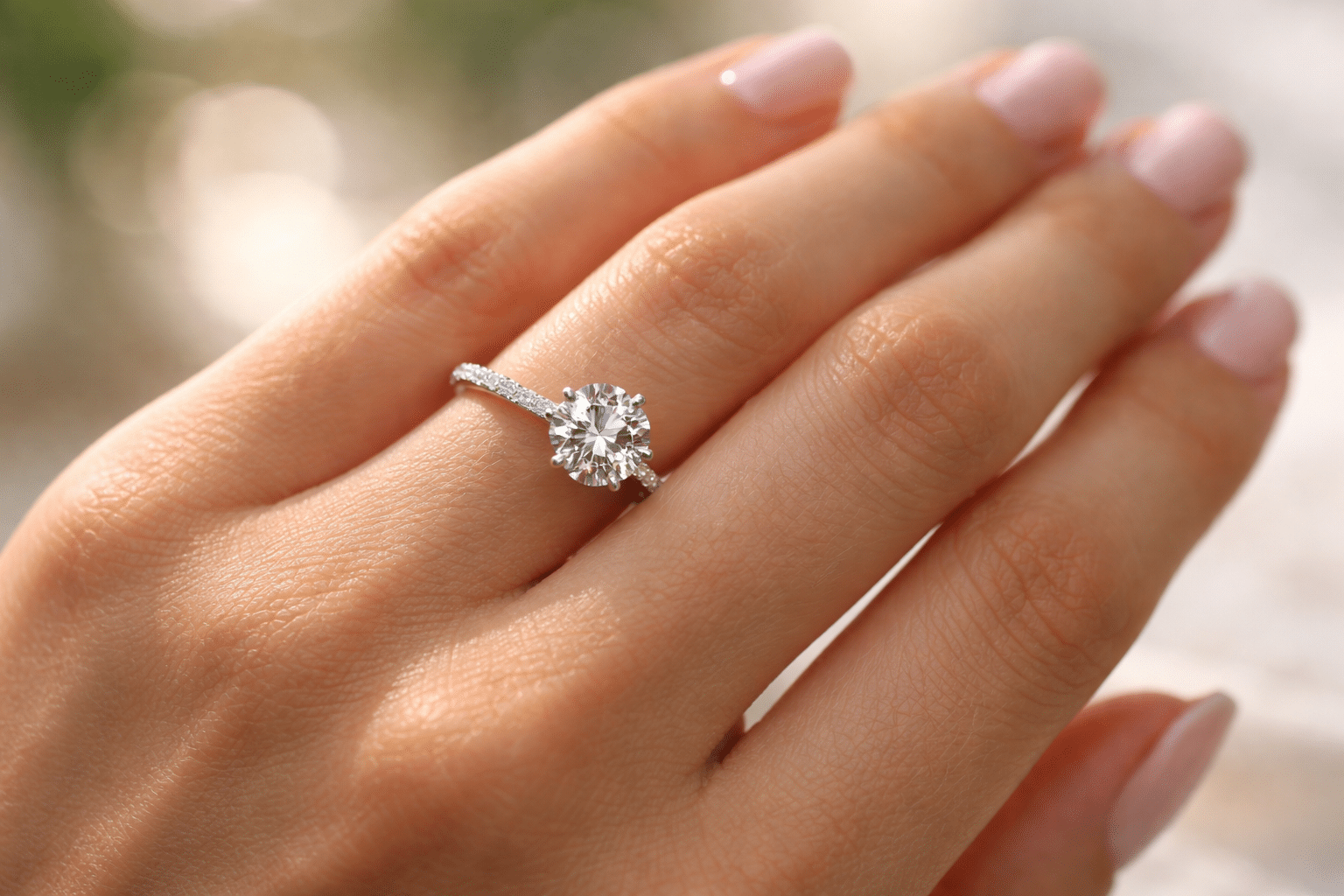
Every ring I create is handcrafted to the design you want. There is no stock range and nothing mass-produced. Because the ring is built around your chosen stone, cut quality directly influences the final result.
A diamond with exceptional cut:
- Enhances hand presence
- Complements bespoke design proportions
- Performs beautifully in everyday lighting
- Holds long-term value
Bespoke engagement rings typically take around four weeks to complete, and the result is a piece designed specifically for you, not adapted from a standard template.
Guidance Without Pressure, Wherever You Are
Consultations are available in person or via Zoom. In-person meetings are offered in Brisbane, the Gold Coast, and the Sunshine Coast. For clients elsewhere in Australia, Zoom consultations provide the same guided experience.
If discretion matters, I am experienced in keeping secret proposals confidential. Finger sizing can be handled discreetly, including sending out our free Multisizer so sizing can be done at home.
In the unlikely event of a manufacturing fault, I stand by my craftsmanship and ensure it is put right.
Stop Guessing. Start Saving. Get Guided.
Diamond cut is the single most important factor in how a diamond looks, performs, and feels in the hand. It determines brilliance, fire, scintillation, and perceived size. Without the right cut, even the finest gemstone will fall short.
If you want expert guidance without pushy sales, retail markups, or confusion, book a free diamond consultation with me. I will show you how to get the best value, choose the right diamond, and design a ring that truly works for your budget and your moment.
You are not just buying a ring. You are getting a master jeweller’s expertise.
0 Comments