
Diamond colour is one of the easiest places to overspend when buying a diamond engagement ring or wedding ring, and choosing diamond colour wisely is one of the simplest ways to protect your budget without compromising beauty, quality, or meaning.
If you are feeling uncertain, overwhelmed, or second-guessing yourself, that is completely normal. An online diamond shop leaves you guessing. They show you filters, letter grades, and thousands of diamonds, then expect you to make a decision that feels permanent. You deserve better than that. You deserve expert guidance without pressure, clarity without confusion, and confidence that you are making the right choice for your partner and your future.
I am Michael Dransfield, founder of Burgundy Bespoke Jewellers. For over 50 years, I have helped people design bespoke engagement rings, wedding rings, and fine jewellery by guiding them through decisions that actually matter, starting with diamond colour.
How Diamond Colour Grades Really Affect Beauty – and When They Don’t
Diamond colour refers to the presence of natural tint within a diamond. Most white diamonds fall within a normal colour range that extends from colourless through to light yellow or brown. This is measured using a colour grading system that assigns a letter grade from D through Z.
Diamonds are graded face down under controlled lighting, against a white background, and compared to reference diamonds. This process is essential for consistency, but it does not reflect how diamonds are seen in real life.
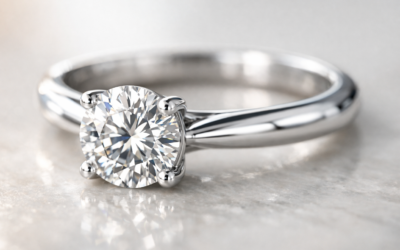
Once a diamond is set into an engagement ring or wedding ring, viewed face up, and worn daily, brilliance and light return dominate what the eye sees. A well-cut diamond reflects light so effectively that minor colour differences are often invisible to the untrained eye.
This is the first misconception I help clients understand. Diamond colour grading measures rarity, not beauty. Higher-grade diamonds are rarer and therefore more expensive, but they are not automatically more attractive once mounted in jewellery.
Choosing diamonds for engagement rings and wedding rings shouldn’t involve guessing. I guide you through diamond grading using GIA and IGI certification as a clear, practical guide, explaining how diamonds actually look once set in jewellery and worn every day. When diamonds are placed into gold settings – whether white, rose, pink, or yellow – subtle grading differences often disappear, and beauty takes over.
You’ll work directly with me, Michael Dransfield, in person or via Zoom. Together, we review natural diamonds and lab grown on my online diamond platform, exploring white and pink diamonds and discussing how grading, cut, and setting influence the finished rings. I’ll guide you through each decision, keep a surprise proposal a secret if needed, and ensure every engagement or wedding ring is handcrafted to your design.
I don’t operate like a traditional jewellery shop or sell from stock. Every piece of jewellery is customer-led and made to order, with careful diamond selection and thoughtful design guidance. My role is to help you choose the right diamonds, in the right gold setting, so your engagement rings and wedding rings look exceptional long after the grading report is forgotten.
The Diamond Colour Value Zone Where Smart Buyers Save
There is a range within the colour scale where diamonds appear white in real-world conditions but do not carry the premium pricing of top grades. This is where informed buyers focus.
For most engagement rings and wedding rings, diamonds within this value zone look colourless once set, especially when paired with excellent cut quality and thoughtful jewellery design.
Rather than chasing the highest letter grade, I help clients choose a colour that works in harmony with:
- The ring design
- The metal choice (white gold, yellow gold, etc.)
- The diamond shape
- The intended size and carat weight
This approach consistently delivers better value and better visual results than buying on colour alone.
There is a sweet spot on the colour scale where IGI and GIA grading still matter, but price and appearance finally align. I use the IGI and GIA reports as a guide to identify diamonds that face up beautifully in real jewellery, without paying for grades that add rarity on paper but little visual benefit once the rings are worn.
This becomes especially important when designing engagement rings and wedding rings in yellow gold, where warmth in the metal naturally complements the diamond, or when creating jewellery that features pink diamonds for contrast and personality. Rather than selecting a stone in isolation or from a traditional jewellery shop setting, I guide you through how colour, design, and setting work together in finished rings.
By focusing on how diamonds actually look once set into jewellery, this approach consistently delivers stronger visual impact and better long-term value. The goal isn’t to chase the top of the colour chart, but to guide you toward diamonds that look exceptional where it counts – in the rings you wear every day.
Why Most People Can’t See the Difference Between Top Colour Grades
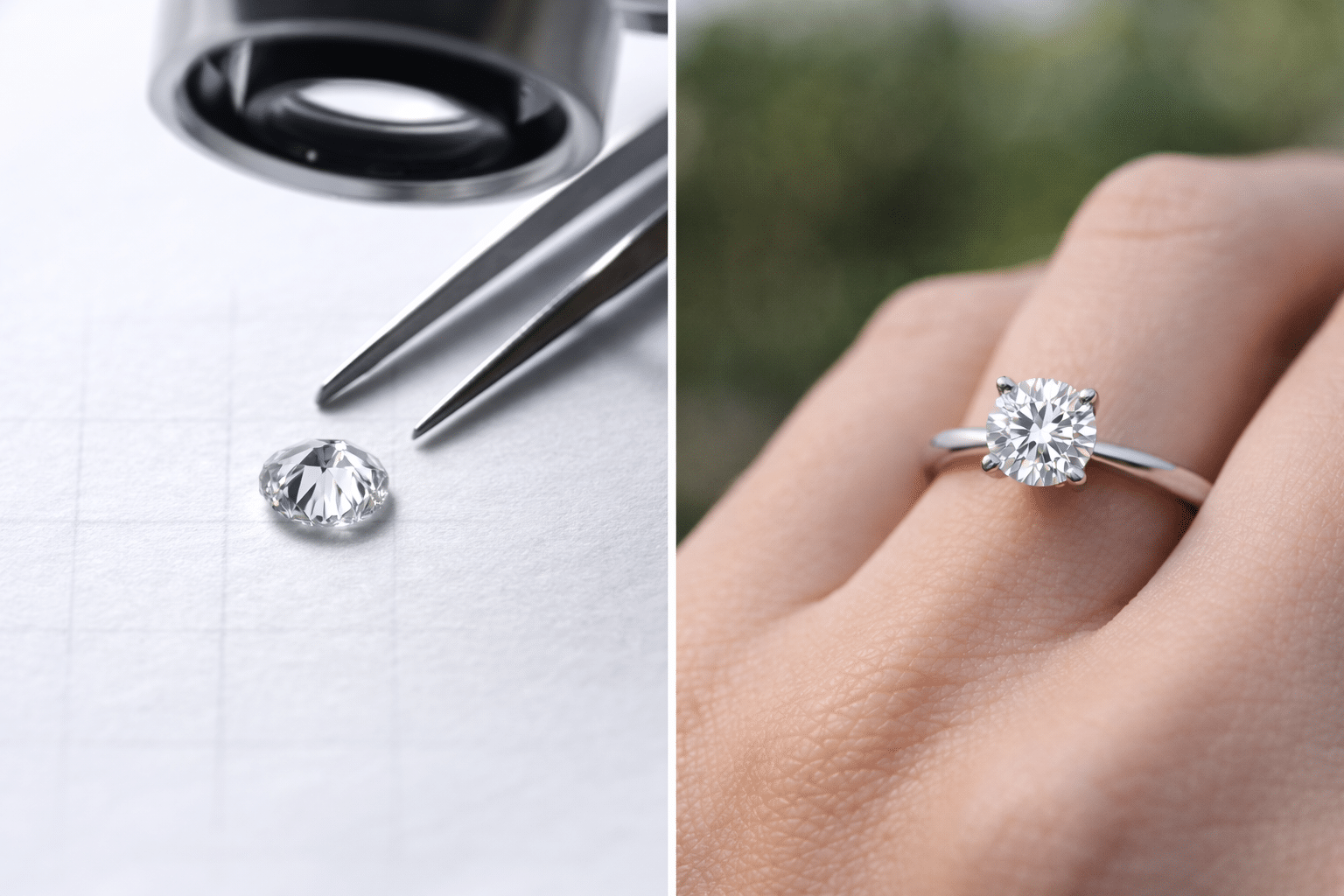
Even professionals rely on reference stones and strict lighting to identify small colour differences. Without those tools, distinguishing between adjacent grades such as D, E, F, and G is extremely difficult.
There are clear reasons for this:
- Brilliance masks body colour when the cut quality is high
- Metal settings influence perceived colour
- Diamonds are viewed in motion, not static comparison
- Human vision prioritises sparkle over subtle tint
This is why I do not expect clients to become diamond experts. That is my role. My job is to translate grading reports into real-world appearance and guide you toward choices that make sense visually and financially.
Small differences between top colour grades are identified using controlled lighting and reference stones, which is not how diamonds are seen once they become jewellery. When diamonds are set into rings and worn in everyday light, sparkle and movement take priority, making those fine distinctions far less noticeable.
In a jewellery shop environment, loose diamonds can feel very different to finished jewellery. Once a diamond is set – especially in thoughtfully designed rings or alongside pink diamonds – what you see is the overall balance of light, colour, and design, not a single letter on an IGI or GIA report.
That’s why my focus is on guiding you through how IGI and GIA grading translates into real jewellery. The goal is simple: rings that look exceptional in daily wear, without overvaluing differences most eyes will never see.
How Ring Design Can Make a Diamond Appear Whiter Than Its Grade
Ring design has a powerful effect on how diamond colour is perceived.
Yellow gold and rose gold reflect warmth into the stone, which can make diamonds appear whiter by contrast. White metals such as platinum and white gold highlight brightness and brilliance, but still allow flexibility when the cut quality is strong.
Design features such as halos, bezels, and side stones can further influence appearance. This is why I never recommend choosing a diamond before discussing the design. The diamond and the ring must be considered together.
At Burgundy Bespoke Jewellers, we do not carry stock rings. Every piece is handcrafted to suit the client. Designs are viewed and refined during your consultation, whether in person or via Zoom.
Ring design can dramatically influence how white a diamond appears once it is worn. Yellow settings create contrast that lifts brightness, while white metals emphasise light and clarity in everyday viewing.
This is why I don’t approach ring creation like a traditional jewellery shop. The design comes first, then the diamond is chosen to suit it, whether the result is a clean white look or a design that incorporates pink details.
By shaping the ring and stone together, the finished piece is crafted to look its best in real life -often appearing whiter than its grade once worn.
When Diamond Shape and Size Matter More Than Colour
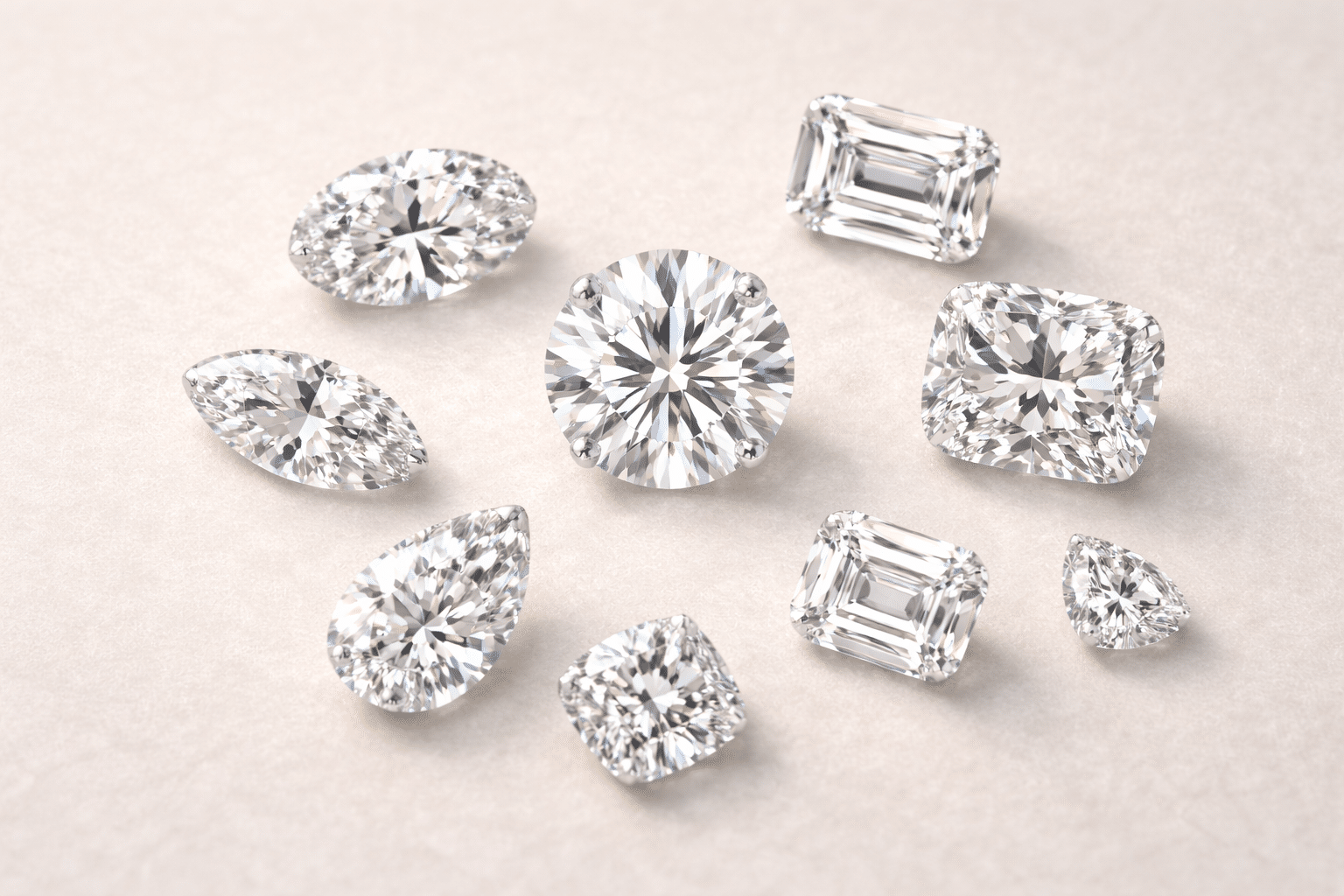
The diamond shape affects how colour is distributed and seen. Round brilliant diamonds return light most efficiently and tend to hide colour well. Fancy shapes such as oval, pear, cushion, emerald, princess, and radiant can show colour slightly more, especially as the size increases.
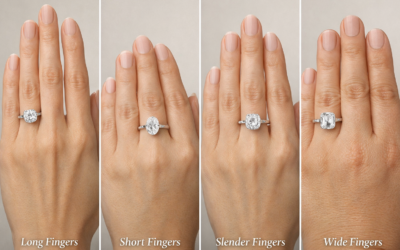
Carat weight also matters. Larger diamonds can reveal more body colour, which is why colour selection must be balanced against size and shape rather than chosen in isolation.
This is where generic online advice often fails. Context matters. Your ring design, lifestyle, and priorities all influence the right decision.
Diamond shape and size often have a greater impact on appearance than colour alone, yet this is rarely explained in a typical shop setting. As diamonds get larger or move away from round shapes, colour can show differently, which is why context matters.
Rather than relying on generic shop advice, I look at shape, size, and ring design together. This ensures the diamond suits how the ring will actually look and be worn, not just how it reads on paper.
How I Help You Choose a Diamond That Looks Colourless Without Overpaying
My role is to remove guesswork and pressure from the process. During your consultation, I guide you through a simple, structured approach.
A clear 3-step process
Step 1: Cut first
Cut quality is the most important factor in brilliance and perceived colour.
Step 2: Colour in context
We choose a colour grade that suits your design, metal, and shape.
Step 3: Balance the whole diamond
We align colour, clarity, and carat weight to deliver the best overall result.
Rather than scrolling endlessly, we review a small number of carefully selected diamonds on my online diamond platform, which connects directly with trusted diamond dealers. This platform allows us to compare options within your budget without retail markups, often saving clients a meaningful percentage on diamond costs.
To be clear, I do not carry loose diamonds with me. For in-person consultations, I use sample sizes and cuts made from cubic zirconium purely to demonstrate proportions and shapes.
Fancy Colour Diamonds Follow Different Rules
Fancy colour diamonds are valued for visible colour rather than the absence of it. Yellow, pink, blue, green, orange, champagne, brown, and black diamonds are graded on intensity and saturation, not letter grades.
In this category, stronger colour often means higher value. This includes rare pink stones associated with the Argyle region in Western Australia, which are prized for rarity and provenance.
Advice for white diamonds does not apply to fancy colour diamonds. Each category requires a different approach, which I clearly explain during the consultation.
Certification, Trust, and Transparency
All diamonds we consider are independently certified, typically by GIA or IGI. Certification provides confidence, consistency, and transparency. It does not replace professional guidance, but it ensures that what you are buying is accurately represented.
I explain each report in plain language so you understand what matters and what does not.
What Makes Burgundy Bespoke Jewellers Different
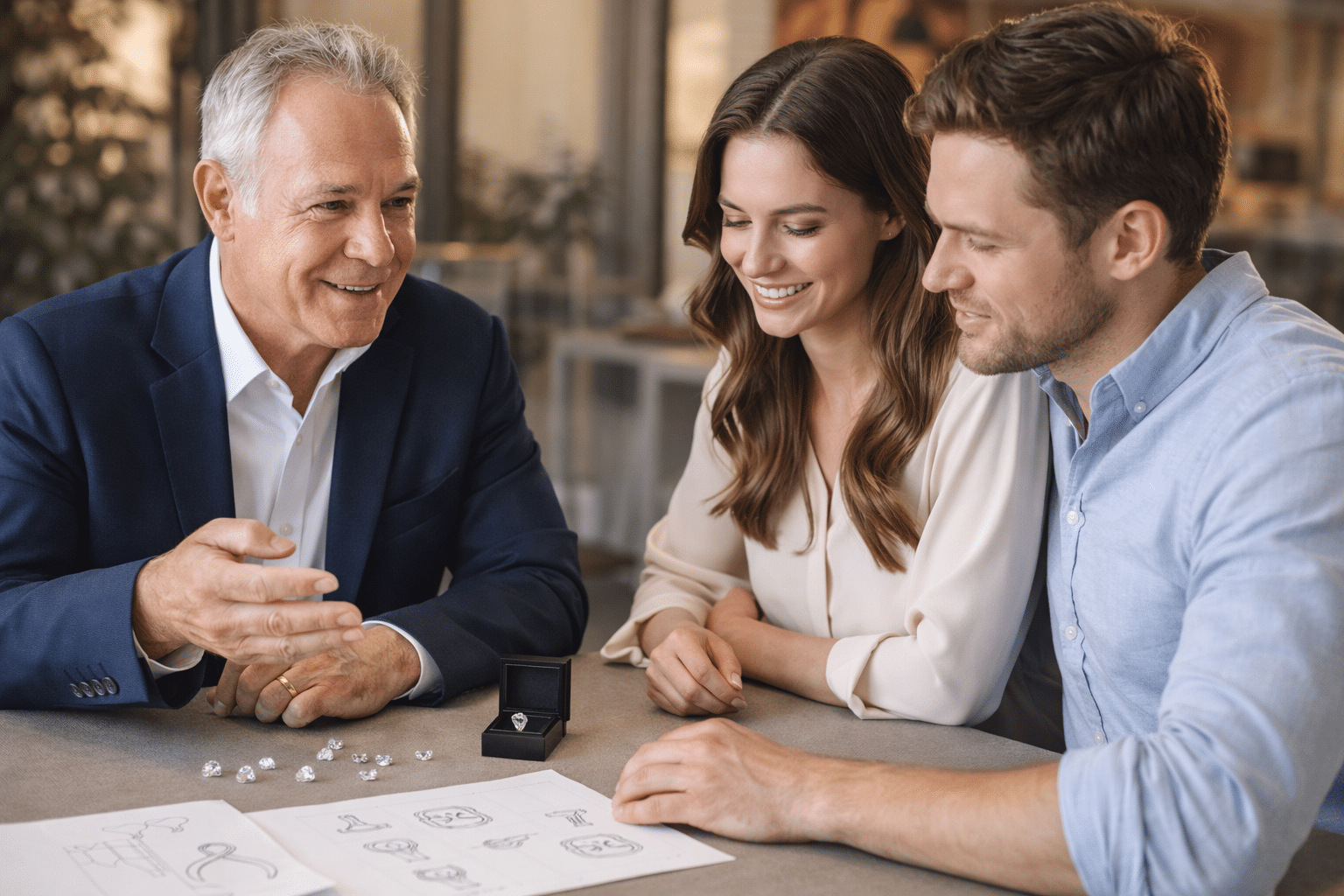
You are not buying a ring off a shelf. You are working directly with me.
I meet clients in person in Brisbane, the Gold Coast, and the Sunshine Coast. For clients elsewhere in Australia, consultations are conducted via Zoom. Every process is private, personal, and discreet. If you need to keep a proposal secret, I will help you do exactly that.
We are not a traditional retail jeweller. We do not carry stock. We are customer-led in design, and every ring is handcrafted specifically for you. Bespoke engagement rings typically take around four weeks to complete.
If needed, we can send our complimentary Multisizer to your home, allowing you to size discreetly and accurately.
In the unlikely event of a manufacturing fault, I stand by my craftsmanship and ensure it is put right.
Clarity Over Carats: Making Diamond Colour Decisions You’ll Never Regret
Diamond colour should never be a source of stress or overspending. With the right guidance, it becomes one of the easiest decisions to make well.
If you want to stop guessing, start saving, and feel confident that every decision is guided by experience rather than sales pressure, I invite you to book a free diamond consultation.
Let me show you how to get the best value, choose the right diamond, and design a ring that truly means something.
0 Comments